Millersville University · Autonomous Robotics
We build robots that drive themselves.
Ville Robotics is Millersville University's student robotics team. We design, wire, and program an autonomous ground vehicle and take it to the Intelligent Ground Vehicle Competition.
- 6 Years competing, and counting.
- 5 Industry partners backing the build.
- 3 Ways we're scored: navigation, a design report, and a presentation.
- 0 Drivers at the controls. The robot runs the course on its own.
01Who we are
A student team building real machines with real industrial hardware.
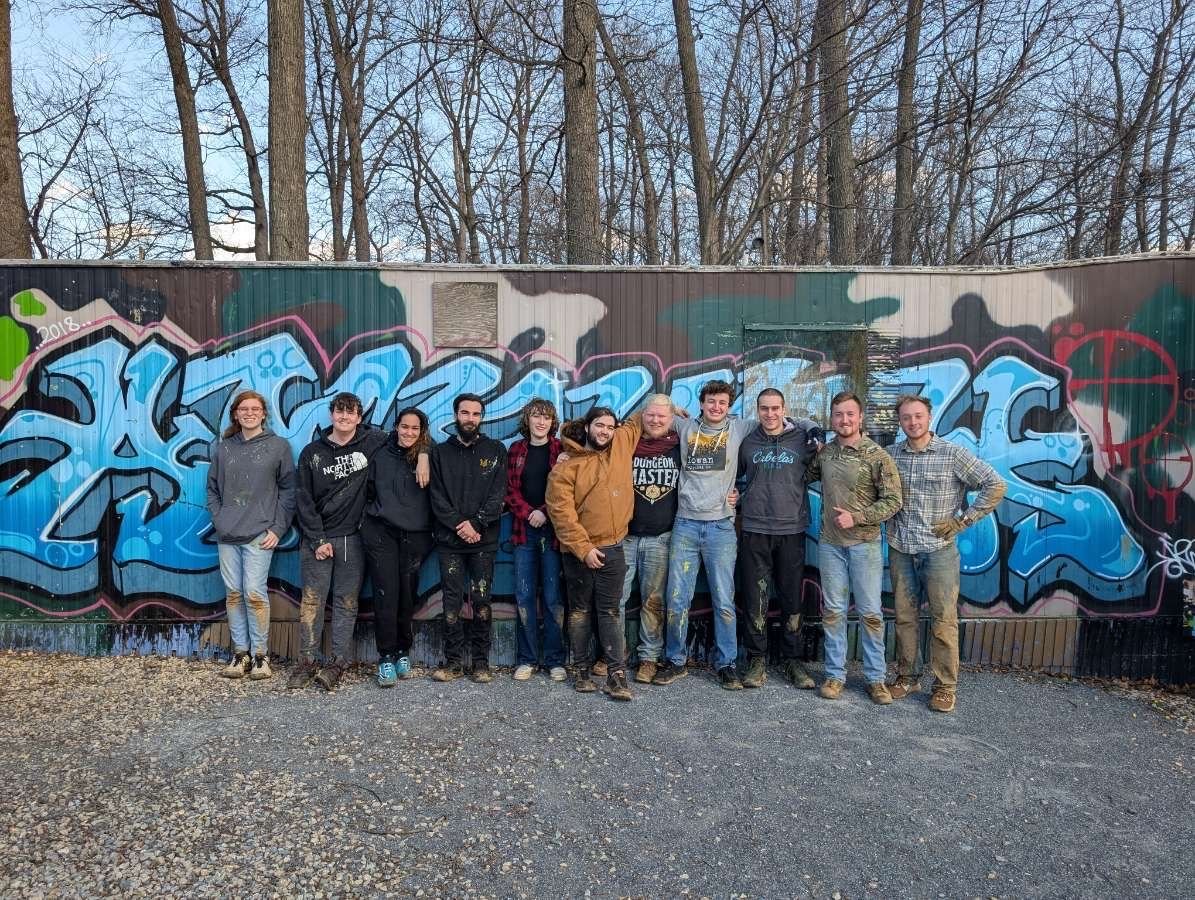
We're a group of Millersville students who take a robot from bare chassis to a working autonomous vehicle. We wire control panels, write navigation software, test outside, and present our engineering to industry judges.
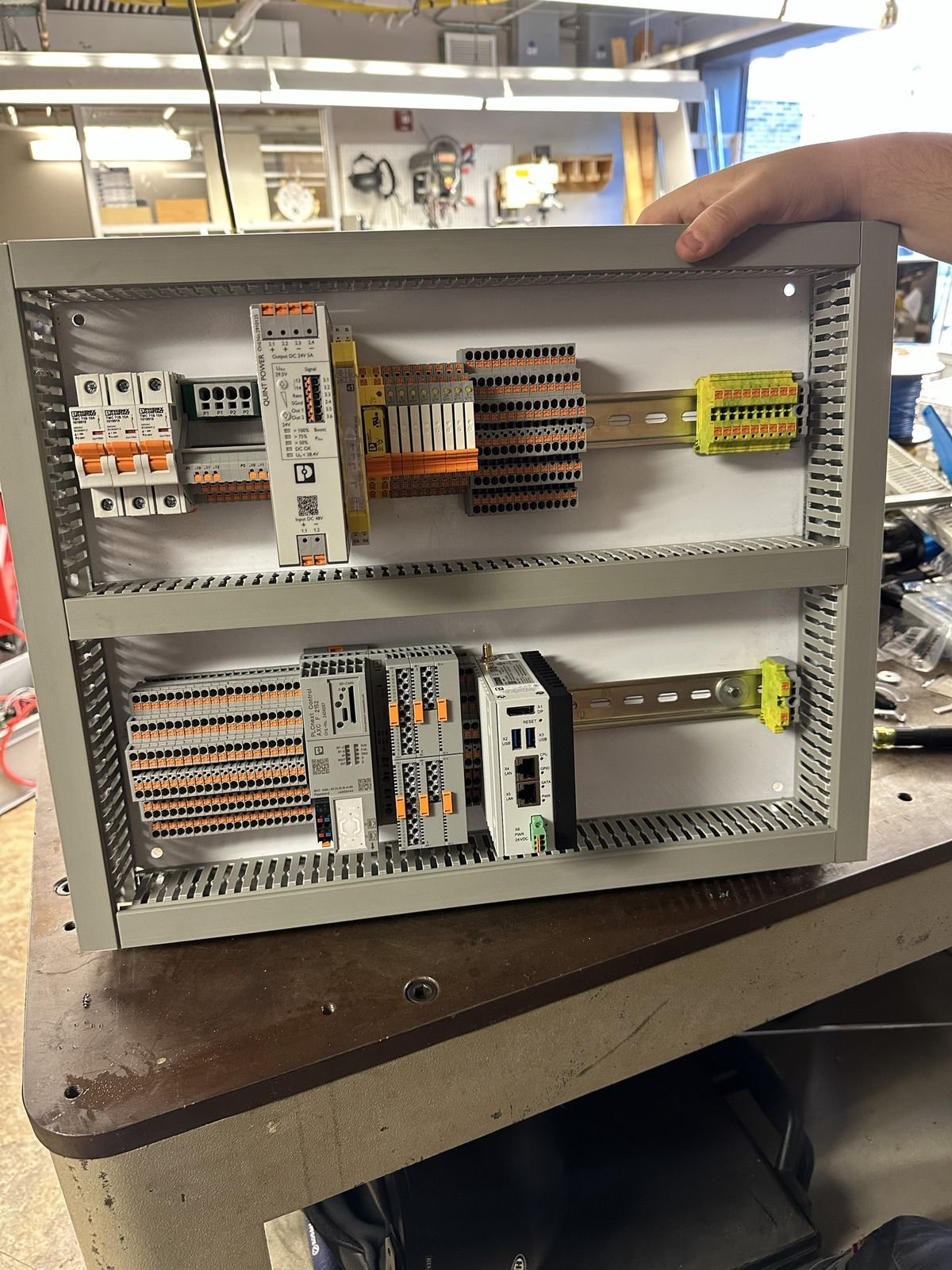
Everything we build uses the same hardware you'll find on a factory floor: PLCs, safety relays, DIN rail, and industrial sensors. You don't just learn the theory here. You learn what it takes to make it work.
Explore the robot-
01
Mechanical
Chassis, drivetrain, mounts, and the occasional emergency repair in a parking lot.
-
02
Electrical & controls
Power distribution, PLC programming, safety circuits, and panel builds.
-
03
Software & autonomy
Perception, lane detection, path planning, and getting from A to B without hitting anything.
-
04
Design & presentation
Design reports, technical presentations, and telling the story of what we built.
02The robot
Industrial hardware, student-built.
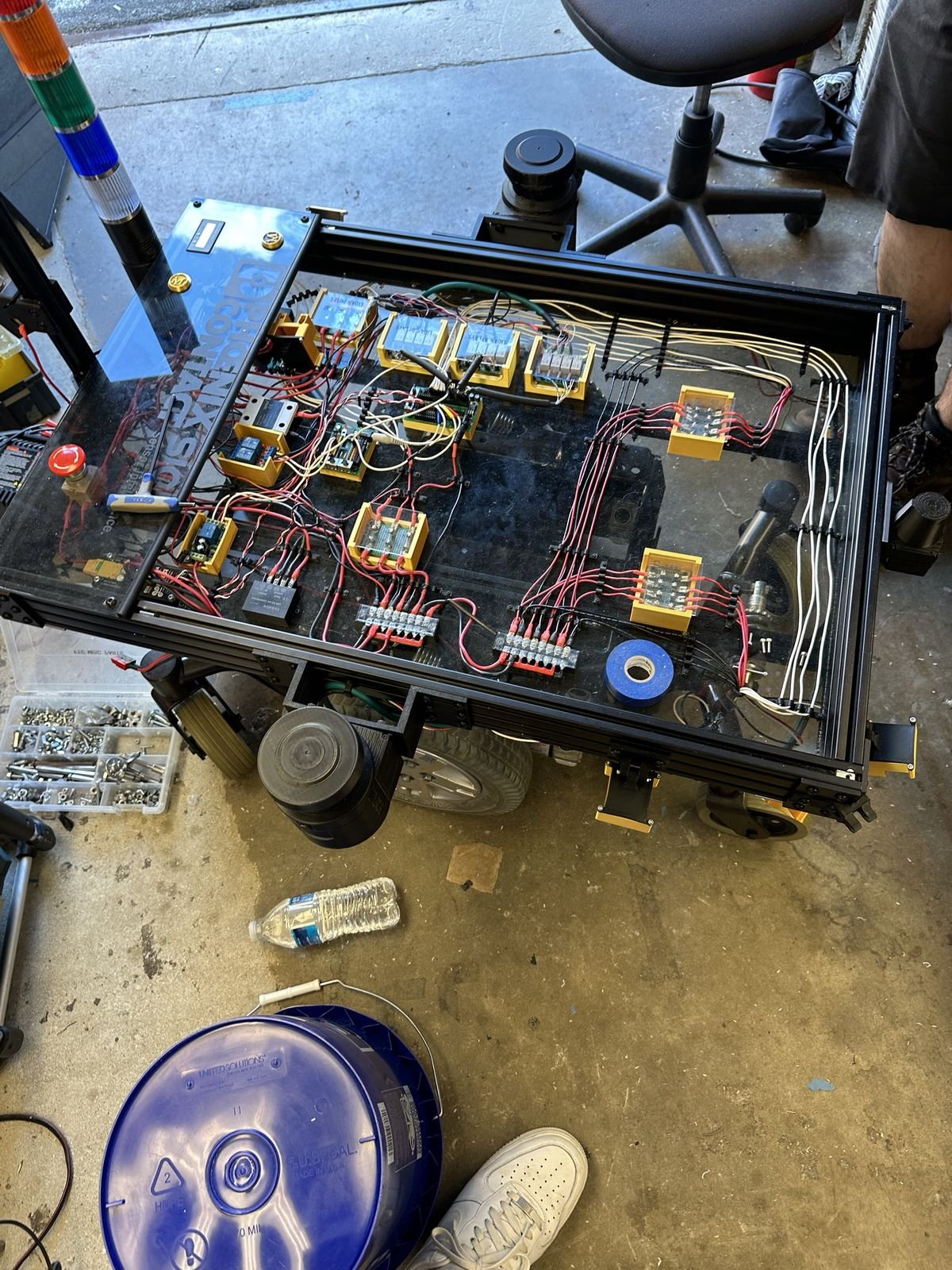
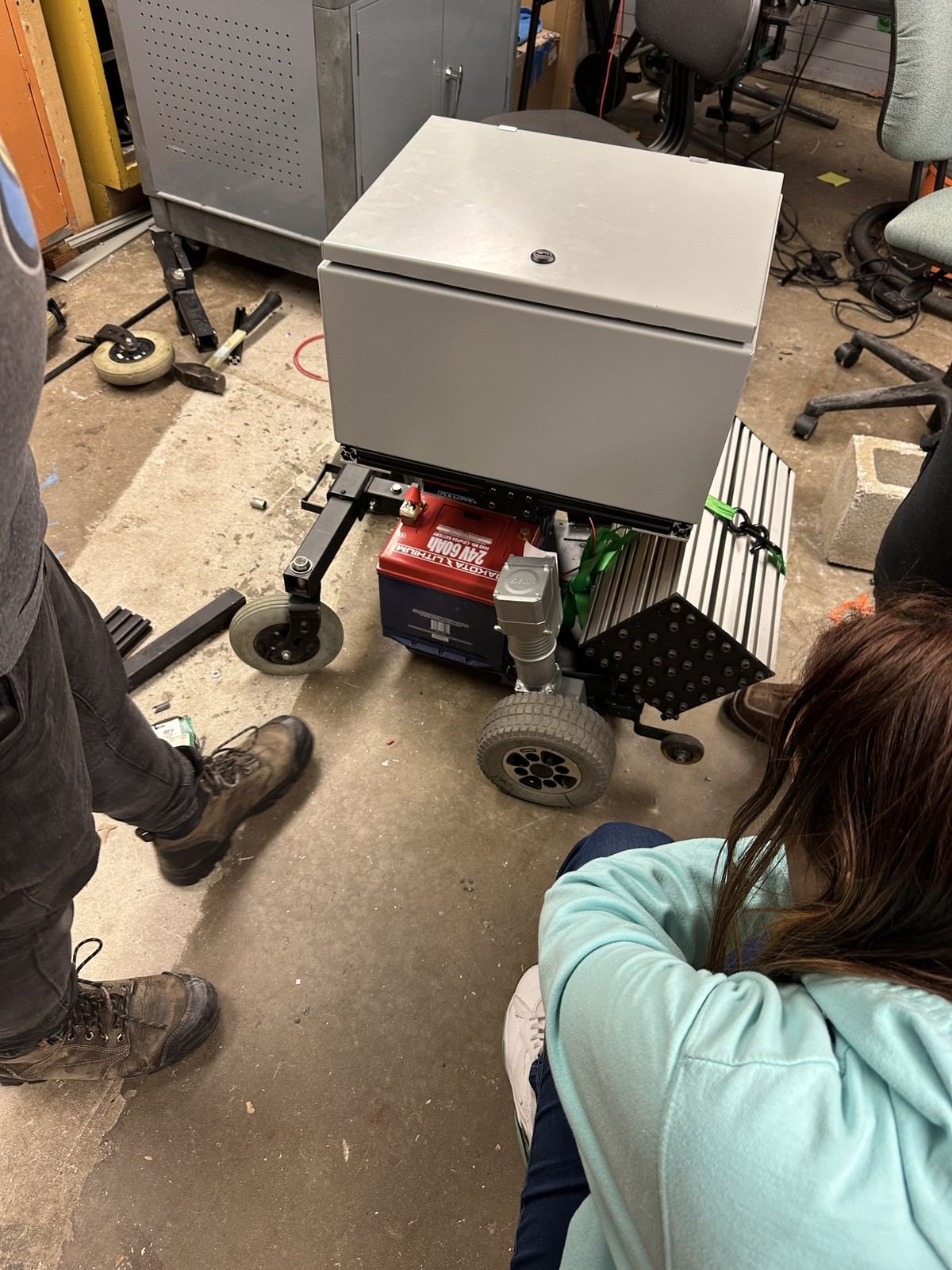
Our robot is built like a piece of factory equipment, and that's on purpose. It runs on industrial controls, safety circuits, and real sensors, and students lay out, wire, and label everything in it, from the fuse blocks to the emergency stop.
It's never really finished. We redesign parts of it every year, so each season's robot is a little different from the last.
From the shop
How the robot comes together, one subsystem at a time.
03Competition
Intelligent Ground Vehicle Competition
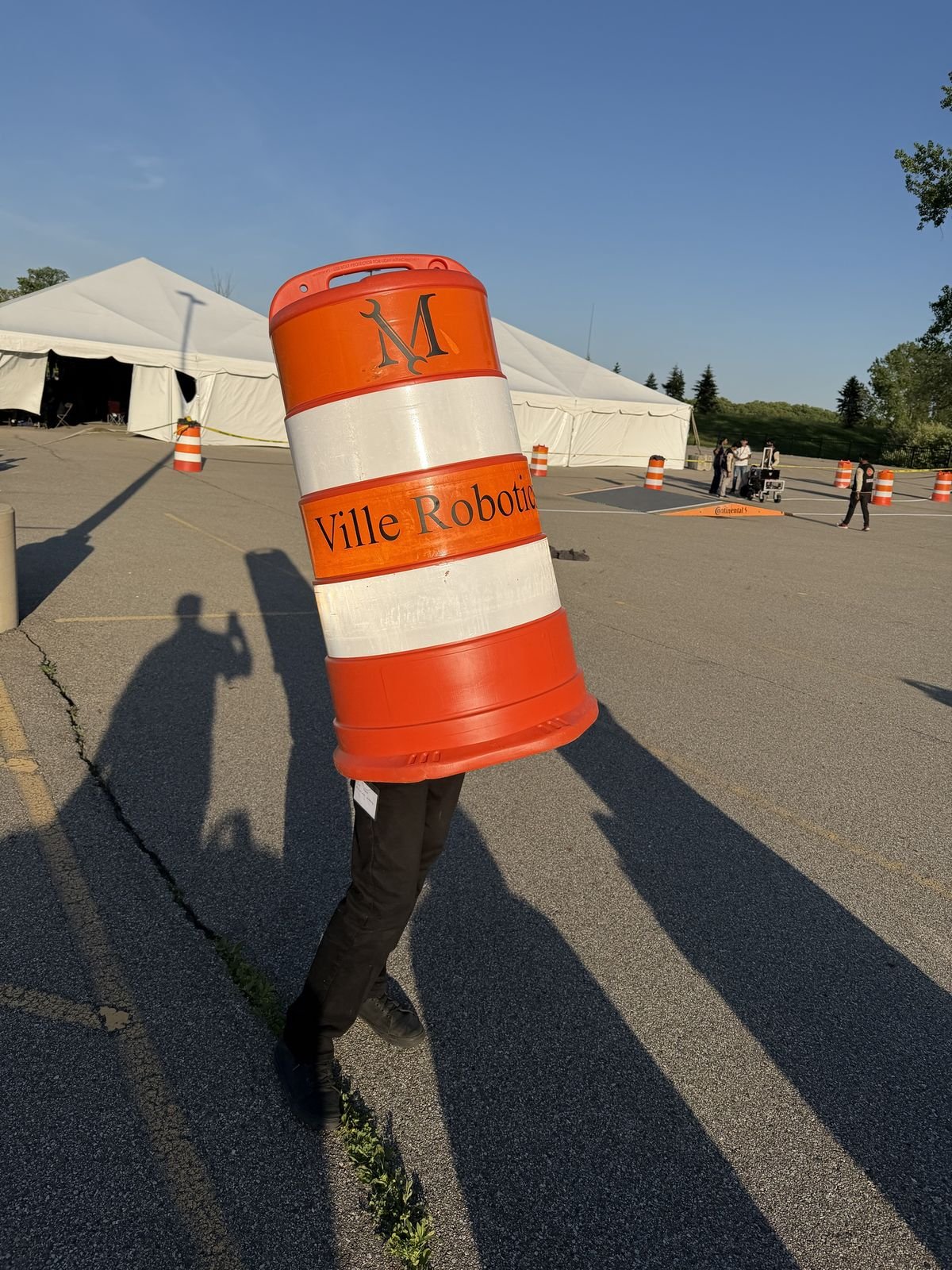
Every year we take the robot to IGVC at Oakland University in Rochester, Michigan. University teams from around the world send their robots through an outdoor course of painted lanes, ramps, and construction barrels, with nobody at the controls.
-
01
Autonomous navigation
Stay inside the lanes, avoid obstacles, and reach GPS waypoints without a human driver.
-
02
Design report
A written technical report on the robot's mechanical, electrical, and software design.
-
03
Oral presentation
We present the design to a panel of judges and answer their questions in person.
Design review
Engineering is also communication.
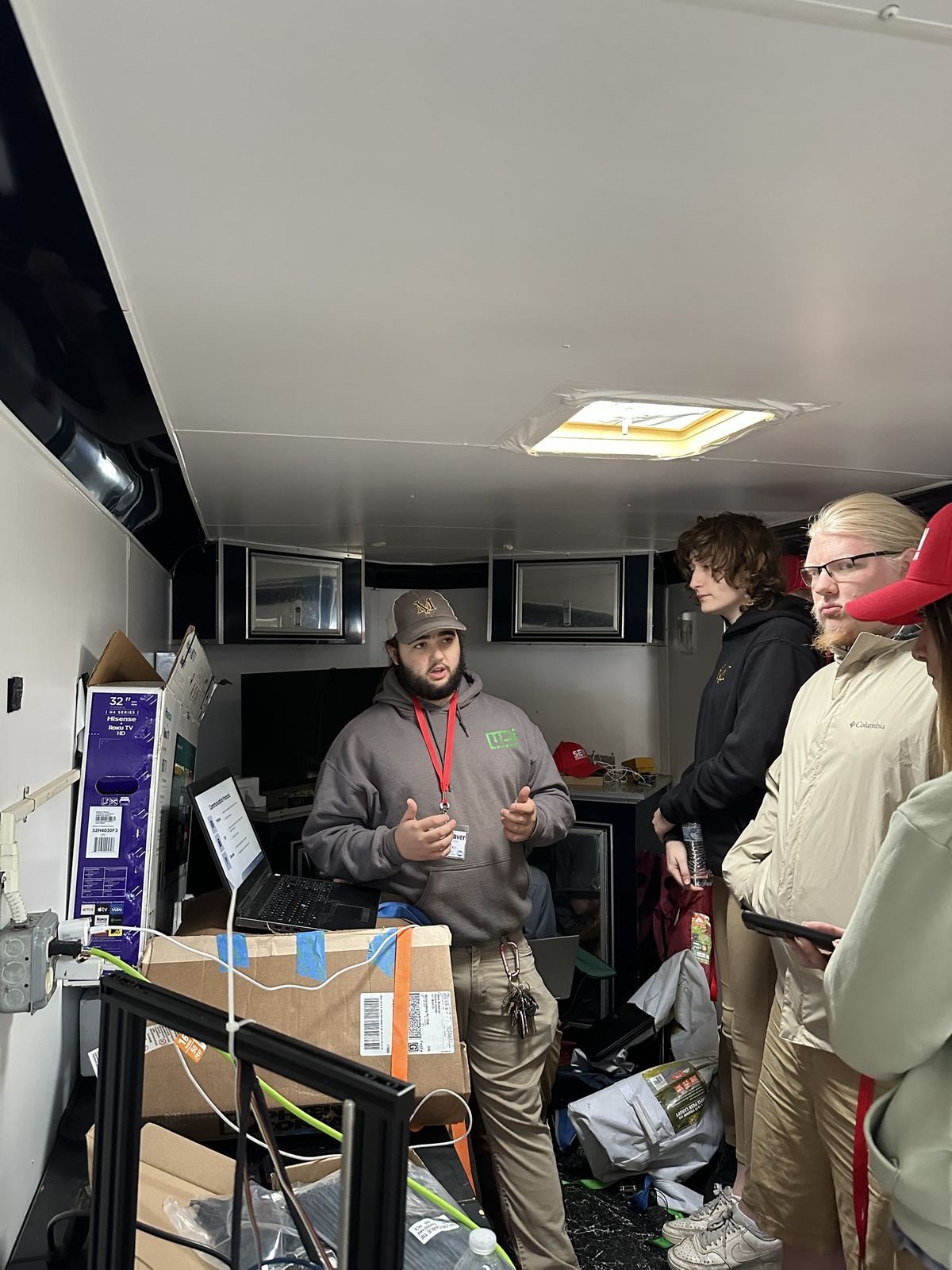
A big part of IGVC happens off the course. We document every subsystem in a technical report, then stand in front of the judges and defend our design decisions, the same way engineers do in industry design reviews.
Help write the next one04Partners
Supported by industry.
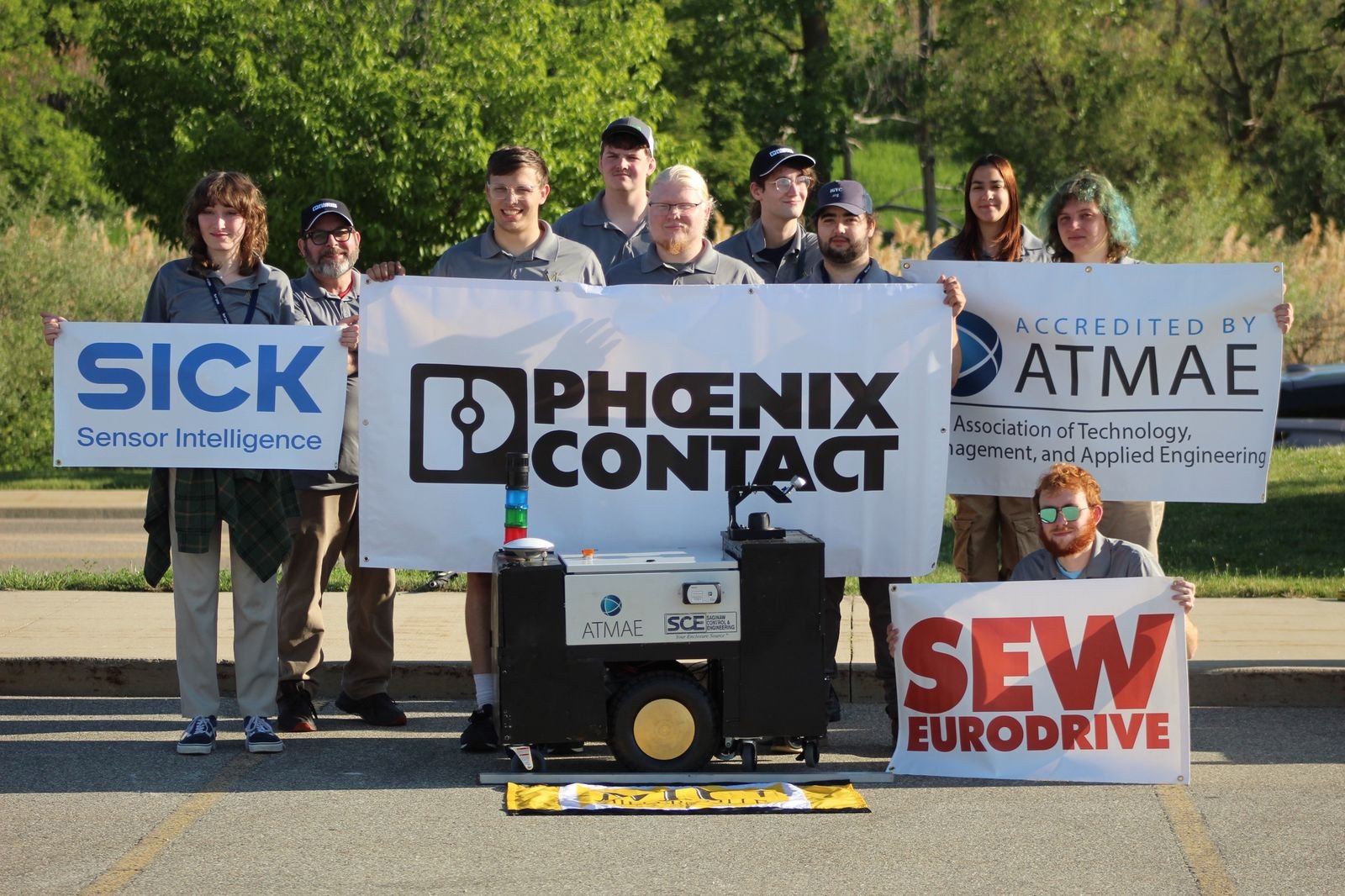
The hardware on our robot comes from companies that build automation for real industry. We wouldn't be on the course without them.
- Phoenix Contact Industrial automation, controls & connection technology
- SICK Sensors & sensor intelligence
- SEW-EURODRIVE Drive technology & gear motors
- ATMAE Association of Technology, Management, and Applied Engineering
- Saginaw Control & Engineering Electrical enclosures
- Become a partner Support the next generation of automation engineers.
05Join us
Come build with us.
We're always looking for new members. If you want to learn PLCs, write code that moves something real, or just see how a robot comes together, come to a meeting.
- Meetings
- Fridays at 1:00 PM
- Where
- Osburn Hall, Room 119, Millersville University
- team@villerobotics.com
- @villerobotics